

August 23rd, Kathmandu.
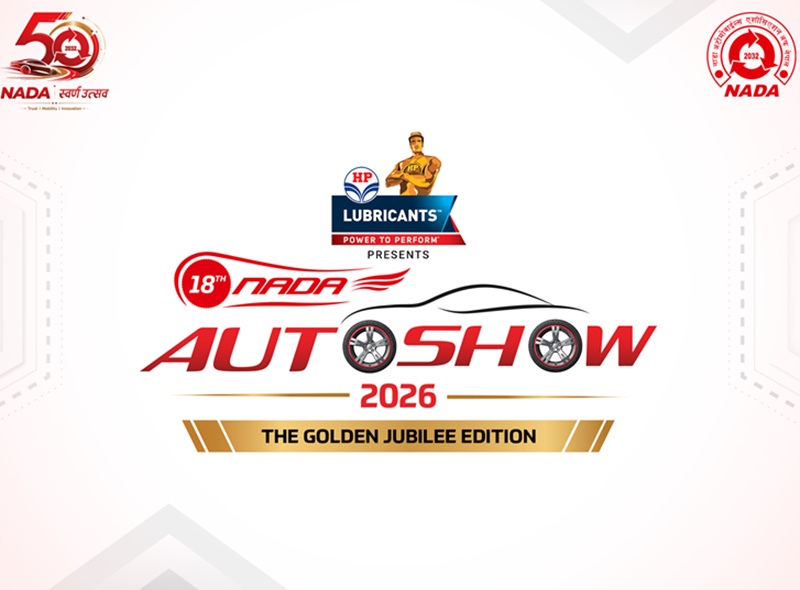
Among the main attractions of the 18th NADA Auto Show, which will begin at Bhrikutimandap from August 26th, will be the G1 Humanoid Robot and the Go2 Quadruped Robot.
But those are the headlines. The real story stands behind them.
Approximately 63,000 electric vehicles have entered Nepal so far. A network of around two thousand charging stations has been prepared through the joint efforts of private importers and the Nepal Electricity Authority. More than 80 percent of the electric vehicles entering the country come from China; the rest mainly from India.
This change has not happened slowly. It occurred within a single decade, faster than the infrastructure could easily sustain. This gap has been publicly acknowledged by the NADA leadership.
The Golden Jubilee edition is Nepal’s first such exhibition that will bring both vehicles and that gap onto a single floor.
On the vehicle front, the electric and hybrid lineup is spread across various prices and sizes: BYD, one of the most visible brands in Nepal’s electric transition; Leapmotor, with investment from Stellantis; Geely, under the group that owns many global brands; and MG and Wuling, including micro EVs for urban use.
Advertisement
On the two-wheeler front, the connected electric motorcycle Revolt and Yatri, designed and assembled in Nepal, will be together.
On the infrastructure front—which determines whether all the above are practically possible—the exhibition’s official charging partner GI Charger, along with Exicom, Zevpoint, and Aircharge, will demonstrate AC and DC charging systems.
“Electric vehicles entered Nepal faster than the charging infrastructure. It’s better not to hide this fact. What the exhibition can do is bring vehicles, chargers, and those who finance both, together in one place for an honest discussion.” Surendra Kumar Upreti, President, NADA
The tax system underlying all of this has recently changed. The import tax on electric vehicles in Nepal has shifted from a system based on motor’s kilowatt capacity to a value-based ‘Clean Infrastructure Investment Levy’.
This is one of the biggest policy changes the Nepali EV market has experienced, and its effects will be discussed by those affected by it on this very floor.
The robot dog attracts a crowd. But what that crowd will find behind it is a national transition underway.
For more: Nepal’s EV Boom Takes Center Stage