
Kailash Mansarovar Pilgrimage Load Shifts to Tatopani and Hilsa as Rasuwagadhi Border Point Closes

September 16, Kathmandu.
After the obstruction of the Rasuwagadhi border point, the movement of travelers returning from the Kailash Mansarovar pilgrimage and those traveling to/from Tibet has shifted towards alternative border points.
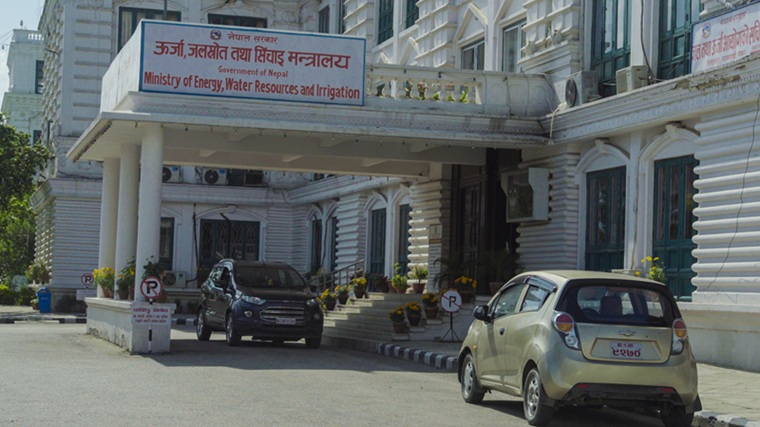
Travelers have started using the Tatopani border point in Sindhupalchok and the Hilsa border point in Humla, after a devastating flood in the Bhote Koshi River in Rasuwa on August 27 damaged customs, immigration, and other structures.
According to the Department of Immigration, from August 27 to September 15, 3,904 people entered Nepal through the Tatopani border point. Among those entering, 1,733 were women. During the same period, 391 people departed from Nepal to China via Tatopani.
According to the department, a large number of travelers entering Nepal from Tatopani are those returning from Tibet tours and the Kailash Mansarovar pilgrimage. Travelers who had entered China via Rasuwagadhi and reached Tibet and Kailash Mansarovar have started returning to Nepal via Tatopani and Hilsa after the border point was obstructed.
During the same period, 387 people also entered Nepal through Humla’s Hilsa border point. Among them, 165 were travelers who had previously gone to China via the Rasuwagadhi border point, the department stated. 178 people departed for China via Hilsa during the same period.
Advertisement
The flood at Rasuwagadhi damaged structures, including the immigration office, affecting traveler movement through that border point. The flood also swept away some vehicles used for the Kailash Mansarovar pilgrimage. The number of Indian pilgrims going to Kailash Mansarovar via Nepal has been increasing in recent years. The Kailash Mansarovar pilgrimage for Indian citizens, which was halted for about five years due to border tensions between India and China, resumed operations last year.
This year, China has increased the quota for Indian passport-holding pilgrims going to Kailash Mansarovar via Nepal to 24,000. Last year, this quota was 20,000. Currently, to reach Kailash Mansarovar from Nepal, three land routes—Tatopani, Rasuwagadhi, and Hilsa—as well as the Kathmandu-Lhasa air route are used. With the closure of the Rasuwagadhi border point, Tatopani and Hilsa have become even more important as alternative routes.
India also operates the Kailash Mansarovar pilgrimage through the Lipulekh and Nathula border points in Sikkim. However, these two routes only allow 1,000 Indian pilgrims annually. As there is a provision for 500 pilgrims each from Lipulekh and Nathula, a large number of Indian pilgrims travel to Kailash Mansarovar via Nepal.
Until the Rasuwagadhi border point reopens, the pressure of travelers at Tatopani and Hilsa is likely to increase. The Department of Immigration has stated that it is coordinating with relevant agencies to facilitate traveler movement through the alternative border points.
For More: Kailash Mansarovar Yatra Route